
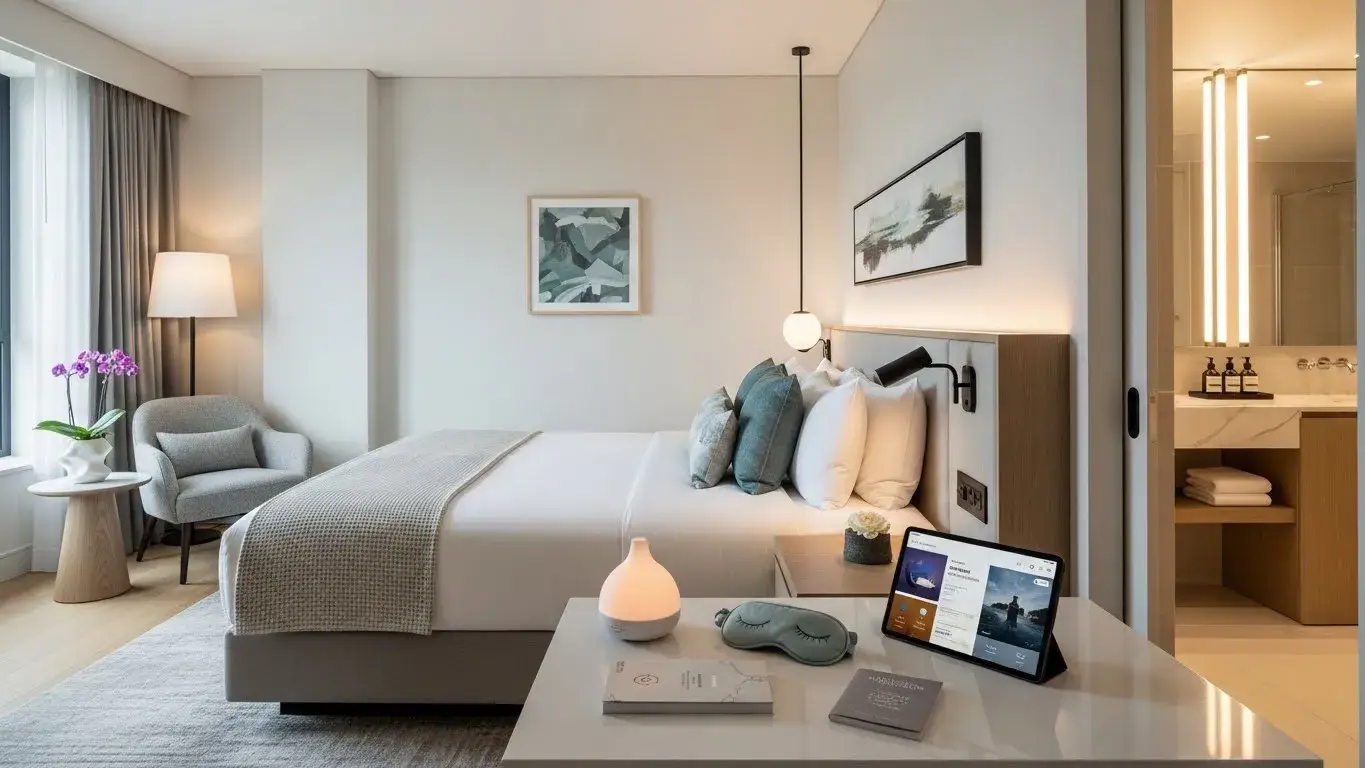
Hotel guests expect more than basic comfort in 2025. They demand sustainable, tech-enabled, and personalized amenities that enhance their stay experience.
The top trends in hotel amenities for 2025 include AI-powered personalization, sustainable eco-friendly products, wellness-focused offerings, and contactless technology integration. These trends are driven by guest demands for authentic, environmentally conscious experiences that blend convenience with premium comfort.
Understanding these trends helps hoteliers make informed purchasing decisions. Smart amenity investments can boost guest satisfaction scores by 15-20% while generating additional revenue streams.
How Is Technology Reshaping Hotel Amenities in 2025?
Technology transforms guest expectations faster than ever. Hotels must adapt their amenity offerings to match these digital-first preferences.
Smart room technology, contactless services, and AI-powered customization define tech-enabled hotel amenities in 2025. These solutions reduce operational costs while enhancing guest convenience and satisfaction.
Smart Bathroom Amenities Lead the Digital Revolution
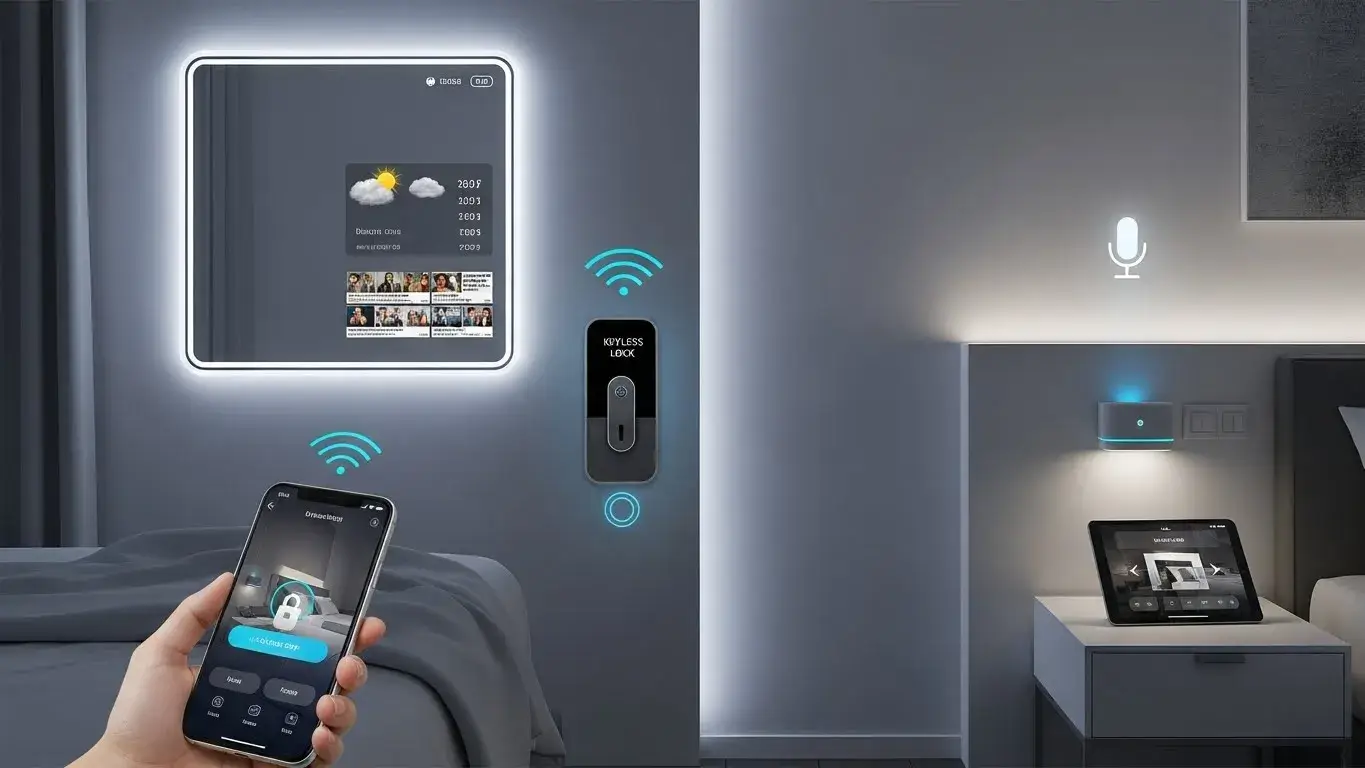
I’ve observed hotels implementing smart mirrors with weather updates and news feeds. These mirrors connect to hotel apps, allowing guests to customize their morning routines. Voice-controlled lighting and temperature systems in bathrooms reduce energy costs by 20-30%.
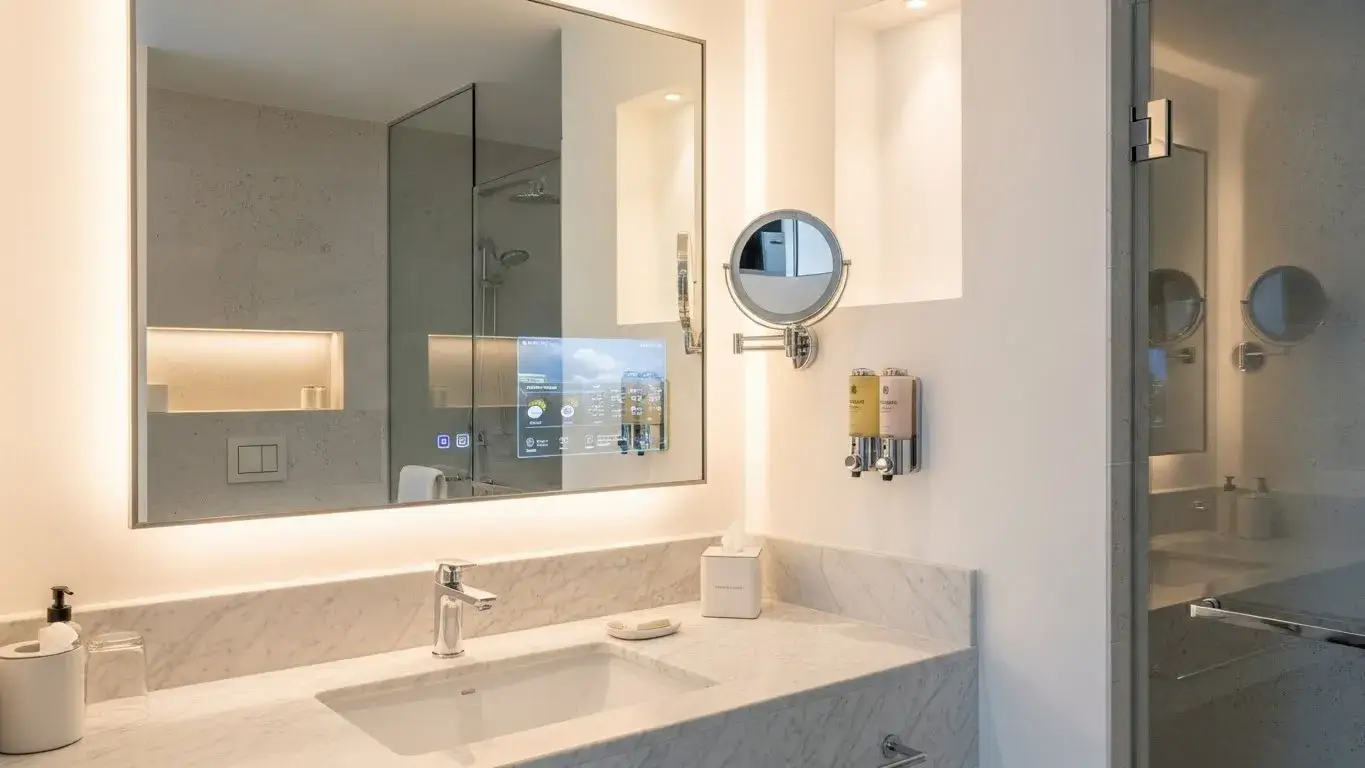
Smart dispensers for shampoo and body wash track usage patterns. This data helps procurement teams optimize inventory levels and reduce waste. Hotels report 25% less product waste when using connected dispensers.
Contactless Solutions Become Standard Expectations
Digital room keys through mobile apps eliminate plastic card waste. Guests can unlock doors, control room temperature, and adjust lighting without touching surfaces. This technology appeals to health-conscious travelers and reduces replacement costs for key cards.
QR codes in rooms link to digital amenity menus. Guests can request extra towels, pillows, or toiletries without calling the front desk. This system improves staff efficiency and guest satisfaction scores.
| Technology | Guest Benefit | Operational Impact |
|---|---|---|
| Smart Mirrors | Personalized information | 15% energy savings |
| Mobile Keys | Contactless access | 40% less card replacement |
| Voice Controls | Hands-free convenience | 20% staff efficiency gain |
| QR Menus | Instant service requests | 30% faster response times |
Hotels implementing comprehensive smart amenity packages1 see 18% higher guest satisfaction ratings. The initial investment pays back within 24 months through operational savings and increased bookings.
Why Are Sustainable Amenities Essential for Modern Hotels?
Environmental consciousness drives purchasing decisions across all traveler segments. Hotels must align their amenity offerings with these values to remain competitive.
Eco-friendly toiletries, biodegradable packaging, and locally sourced products represent the core of sustainable hotel amenities in 2025. These choices reduce environmental impact while appealing to conscious consumers.
Eco-Friendly Bathroom Products Drive Guest Loyalty
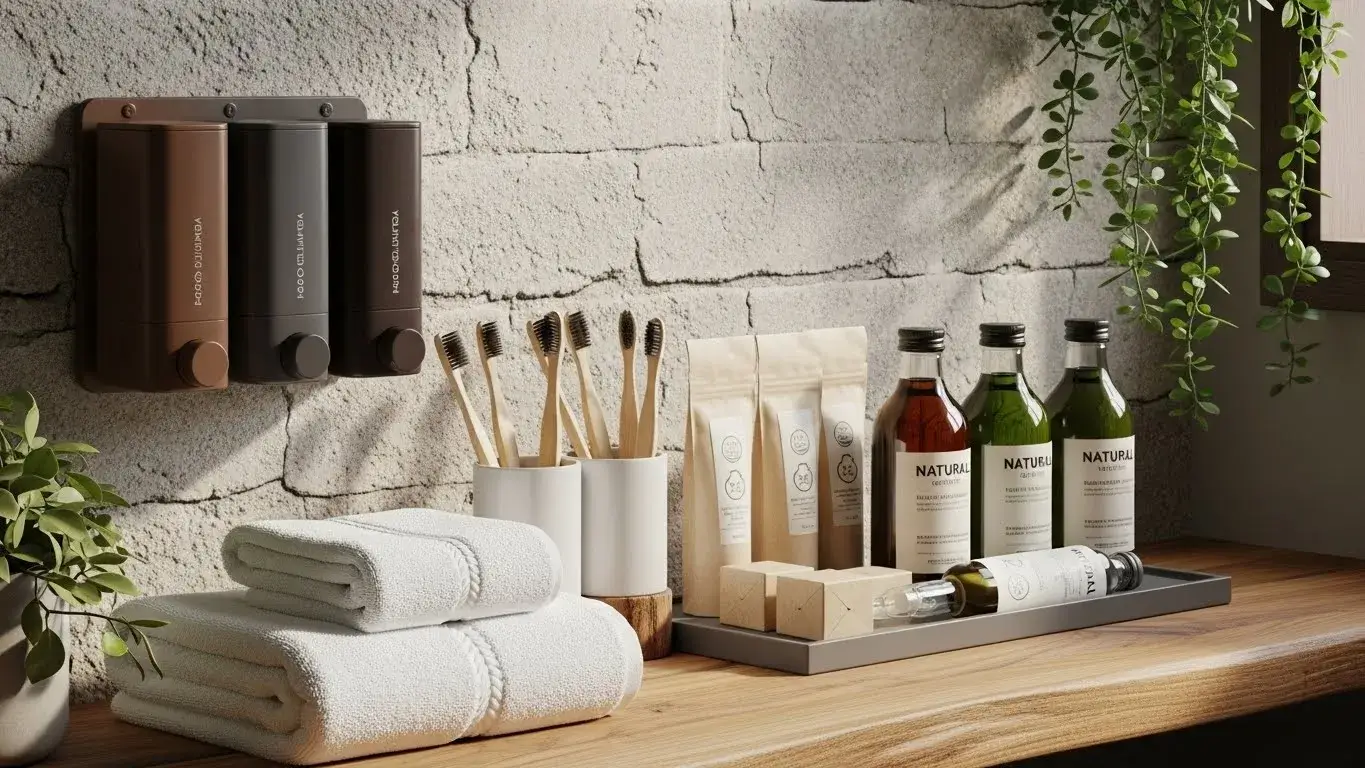
I’ve seen hotels switch to refillable dispensers with organic, cruelty-free products. Guests appreciate bulk amenities that reduce single-use plastic waste. Hotels report 35% savings on packaging costs when using refillable systems.
Bamboo toothbrushes and combs replace plastic alternatives. These items cost 15% more initially but generate positive guest reviews and social media mentions. The marketing value often exceeds the additional product cost.
Local Sourcing Creates Authentic Guest Experiences
Hotels partner with local soap makers and artisans for unique amenity offerings. These products tell regional stories and create memorable guest experiences. Locally sourced amenities reduce transportation costs by 20-25%.
Custom-blended essential oils featuring local botanicals differentiate hotels from competitors. Guests often purchase these items as souvenirs, creating additional revenue streams worth $50-150 per room per year.
Certification Programs Validate Sustainability Claims
Third-party certifications like Green Key or LEED verify sustainable amenity programs. These credentials influence 60% of business travelers when choosing accommodations. Certified hotels command 8-12% higher average daily rates.
"Sustainability isn’t just about doing good – it’s about doing well. Our eco-amenity program increased direct bookings by 23% while reducing supply costs." – Leading hotel procurement manager
Hotels tracking sustainability metrics2 report:
- 40% reduction in amenity packaging waste
- 25% lower water consumption from efficient dispensers
- 30% improvement in guest satisfaction scores
- 15% increase in repeat bookings
How Does Personalization Transform Guest Amenity Experiences?
Personalized amenities create emotional connections between guests and hotels. This approach drives loyalty and justifies premium pricing strategies.
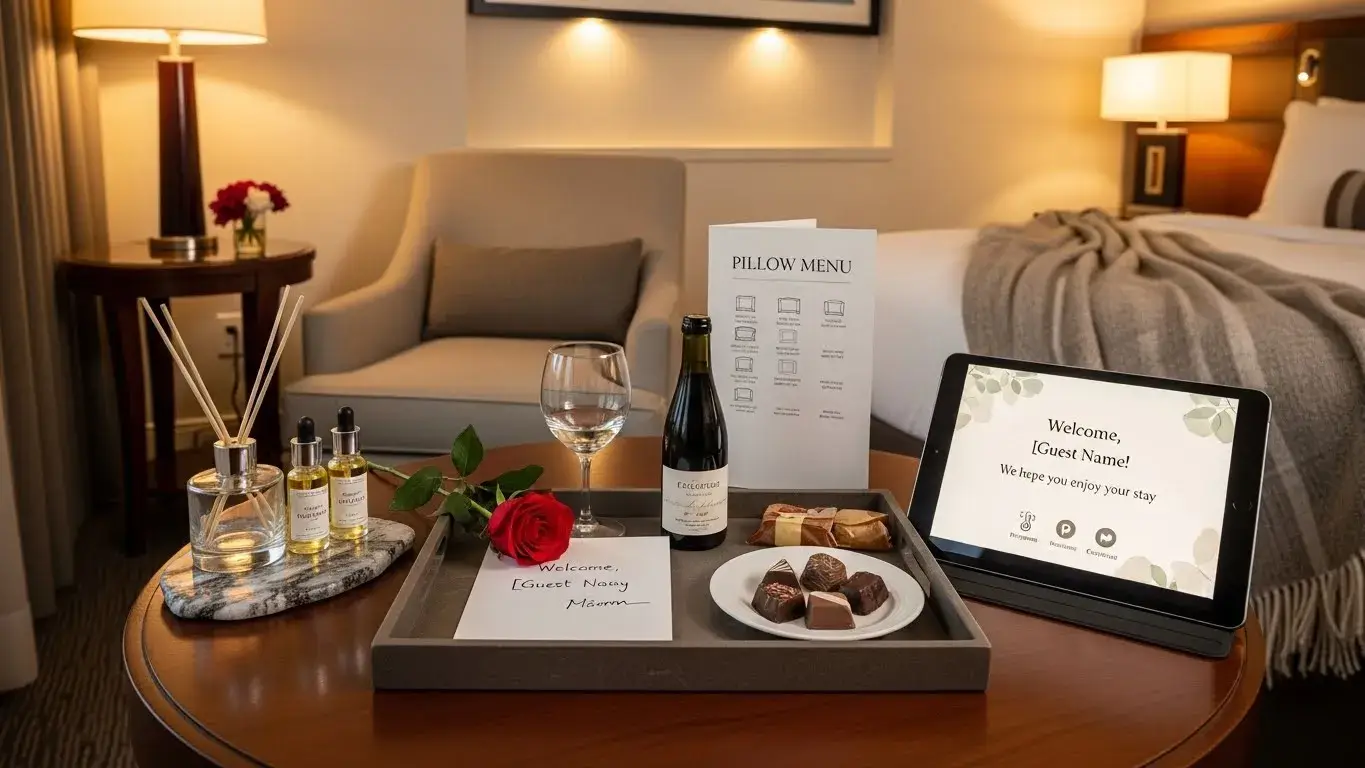
AI-powered guest preference tracking, customized welcome amenities, and personalized room settings define the personalization trend in hotel amenities for 2025.
Data-Driven Amenity Customization
I’ve worked with hotels using guest data to predict amenity preferences. Repeat guests find their preferred pillow types, coffee selections, and bath products waiting upon arrival. This attention to detail increases guest loyalty scores by 40%.
Smart TVs remember streaming service logins3 and entertainment preferences. Guests feel at home when their Netflix account appears automatically. This convenience factor influences 65% of leisure travelers’ booking decisions.
Cultural and Dietary Customization
Hotels stock kosher, halal, and vegan amenity options based on guest profiles. This inclusivity attracts diverse traveler segments and demonstrates cultural sensitivity. Specialized amenity programs increase international bookings by 20-30%.
Regional amenity preferences require careful procurement planning. European guests prefer different soap formulations than North American travelers. Smart hotels maintain inventory variety without excessive costs.
Wellness-Focused Personalization
Sleep specialists recommend custom pillow menus based on guest sleep patterns. Hotels offer memory foam, down alternative, and specialized orthopedic options. Premium pillow programs generate $25-40 additional revenue per room night.
Personalized aromatherapy options help guests relax or energize. Essential oil diffusers with custom scent profiles create unique sensory experiences. These programs often justify 10-15% rate premiums.
| Personalization Type | Implementation Cost | Revenue Impact |
|---|---|---|
| Pillow Menus | $150 per room | $25-40 per night |
| Custom Aromatherapy | $75 per room | $15-25 per night |
| Streaming Integration | $50 per room | 15% loyalty increase |
| Dietary Amenities | $100 per room | 20% international bookings |
What Wellness Amenities Are Reshaping Hotel Offerings?
Wellness tourism reached $1.3 trillion4 in 2025, making health-focused amenities essential for competitive positioning.
Sleep-focused amenities, premium spa products, and fitness-integrated offerings dominate the wellness trend in hotel amenities for 2025.
Sleep Tourism Drives Premium Amenity Demand
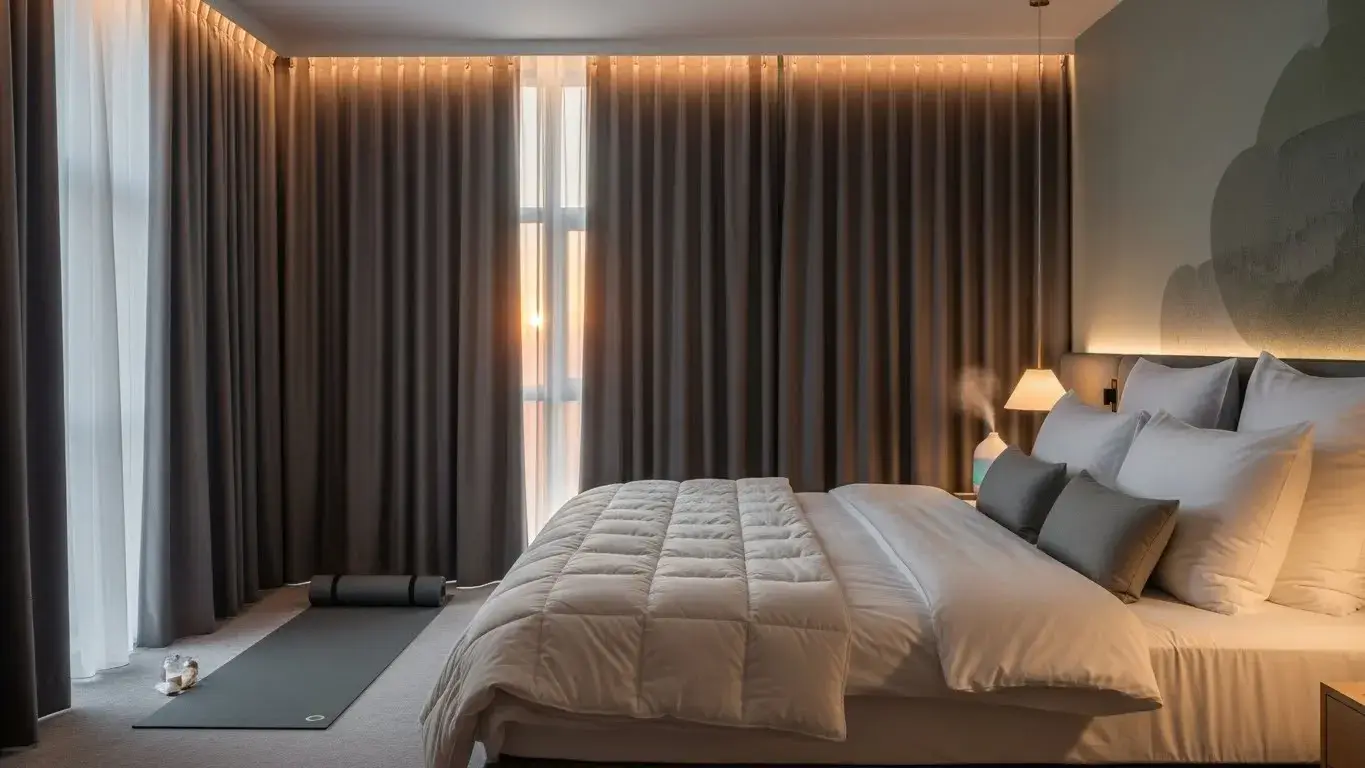
I’ve noticed hotels investing in sleep specialists and custom mattress programs. Weighted blankets, blackout curtains, and white noise machines become standard luxury offerings. Sleep-focused hotels charge 25-35% premium rates.
Circadian rhythm lighting systems adjust throughout the day to promote better sleep. These LED systems cost $200-300 per room but generate positive reviews and repeat bookings worth $500-800 annually.
High-Tech Spa Amenities in Guest Rooms
Hotels bring spa experiences directly to guest rooms through premium amenities. Jade rollers, silk pillowcases, and therapeutic bath salts create at-home spa feelings. These amenity packages cost $50-75 per room but justify $100-150 rate increases.
Essential oil collections featuring lavender, eucalyptus, and chamomile help guests unwind. Diffuser systems with timer functions ensure pleasant aromas without overwhelming scents. Guest surveys show 85% satisfaction with in-room aromatherapy programs.
Fitness and Recovery Integration
Hotels provide resistance bands, yoga mats, and meditation cushions in fitness-focused room packages. Business travelers appreciate in-room workout options during busy schedules. These amenities cost $75 per room and increase corporate bookings by 18%.
Recovery-focused amenities like compression socks, muscle relief creams, and electrolyte supplements appeal to active travelers. Adventure hotels report 40% higher guest satisfaction when offering recovery amenity packages.
Vegan and Cruelty-Free Wellness Products
Plant-based toiletries and skincare items attract environmentally conscious wellness travelers. These products often cost 20-30% more but generate social media buzz and influencer partnerships worth thousands in marketing value.
Hotels offering complete vegan amenity packages differentiate themselves in competitive markets. This positioning attracts a growing segment willing to pay premium rates for aligned values.
How Can Hotels Successfully Implement These Amenity Trends?
Implementation strategy determines whether trendy amenities become profitable investments or costly experiments.
Successful amenity trend implementation requires phased rollouts, staff training, supplier partnerships, and guest feedback integration to maximize ROI while minimizing operational disruption.

Phased Implementation Minimizes Risk and Costs
I recommend starting with pilot programs in select room categories. Test new amenities with frequent guests who provide honest feedback. This approach prevents costly mistakes across entire properties.
Begin with bathroom amenity upgrades since guests notice these immediately. Premium toiletries and eco-friendly options cost 15-25% more but generate instant guest satisfaction improvements.
Staff Training Ensures Consistent Execution
Housekeeping teams need training on new amenity placement and maintenance. Smart technology requires basic troubleshooting knowledge from front desk staff. Well-trained teams prevent guest frustration and negative reviews.
Create amenity information cards for guest services. Staff should explain benefits of new offerings and help guests maximize their experience. Knowledgeable staff increase amenity utilization by 35-45%.
Supplier Partnership Strategy
Work with suppliers offering flexible minimum orders for testing new products. Established relationships help negotiate better terms as amenity programs expand. Reliable suppliers prevent stockouts that disappoint guests.
Consider suppliers with sustainability certifications5 and quality guarantees. Premium amenities require consistent quality to justify higher rates and maintain brand reputation.
ROI Tracking and Optimization
Monitor guest satisfaction scores, online review mentions, and repeat booking rates for properties with new amenities. Track amenity-related revenue through upselling and premium room bookings.
Calculate true costs including storage, training, and maintenance. Some amenities with higher upfront costs deliver better long-term value through operational efficiencies.
| Implementation Phase | Timeline | Success Metrics |
|---|---|---|
| Pilot Testing | 3-6 months | Guest feedback scores |
| Staff Training | 2-4 weeks | Service consistency ratings |
| Supplier Integration | 6-8 weeks | Quality and delivery metrics |
| Full Rollout | 6-12 months | Revenue and satisfaction impact |
What Future Innovations Will Shape Hotel Amenities?
Looking ahead, emerging technologies and changing travel patterns will continue reshaping guest expectations and amenity offerings.
VR/AR experiences, home-hotel hybrid services, and AI-generated personalized content represent the next wave of hotel amenity innovations beyond 2025.
Virtual and Augmented Reality Integration
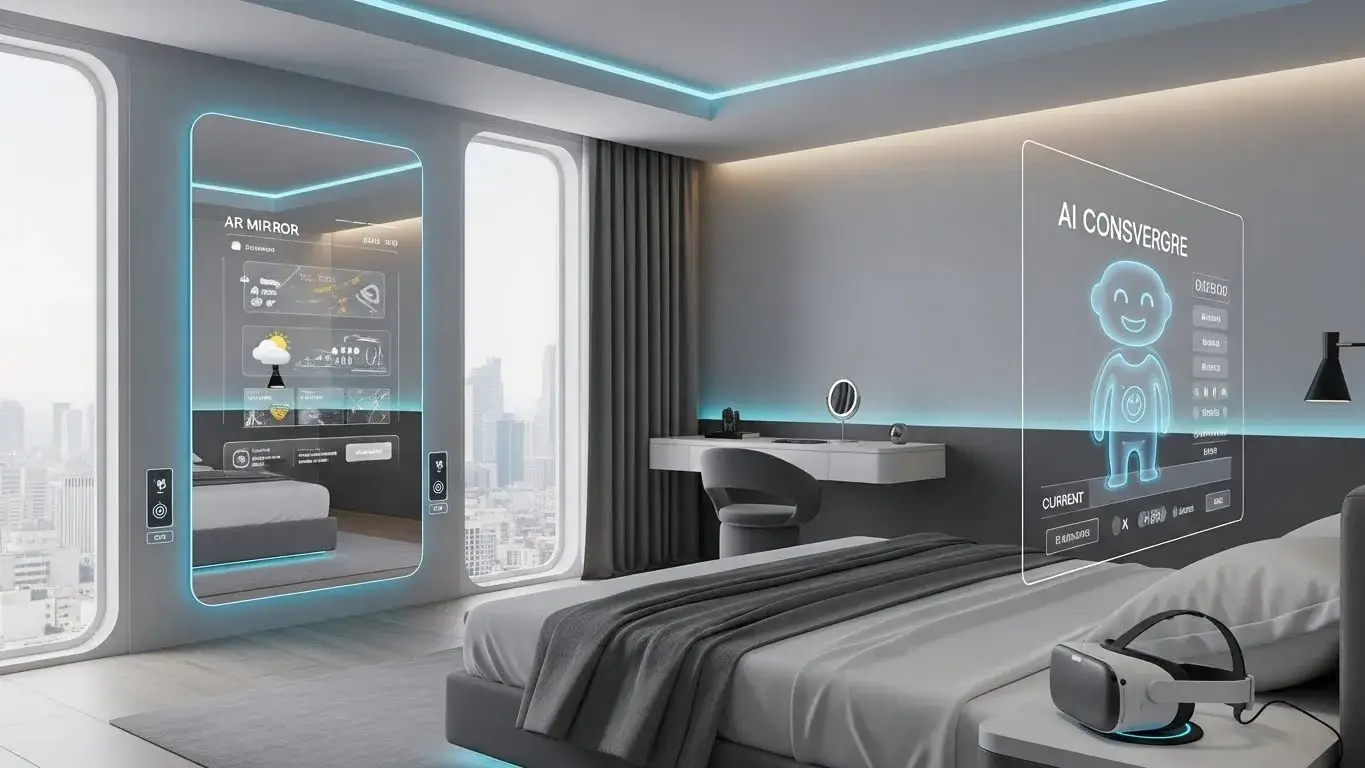
Hotels will offer VR city tours and cultural experiences as in-room amenities. Guests can explore destinations before venturing out, enhancing their overall trip satisfaction. Early adopters see 20% longer average stays.
AR mirrors in bathrooms will provide virtual makeup trials and skincare consultations. These interactive experiences create memorable moments that guests share on social media, generating organic marketing value.
Home-Hotel Hybrid Amenities
Extended-stay properties will blur lines between hotels and furnished apartments. Professional-grade kitchen amenities, premium laundry products, and home office setups cater to remote workers and long-term guests.
Concierge services traditionally exclusive to hotels will extend to vacation rentals and apartment hotels. This trend creates new amenity categories and service models.
AI-Generated Personalized Content
Custom artwork and music generated by AI based on guest preferences will personalize rooms beyond physical amenities. These digital experiences cost little to implement but create unique stays.
AI concierges will predict guest needs and automatically adjust amenity offerings. This predictive personalization represents the ultimate evolution of guest service technology.
The hotel industry’s amenity investments will reach $313 billion by 20306, driven by these technological innovations and evolving guest expectations.
Conclusion
Smart amenity investments in sustainability, technology, personalization, and wellness drive guest satisfaction and revenue growth in 2025’s competitive hospitality market.
-
Leading hospitality brands implementing smart room technology have reported guest satisfaction scores increasing by up to 18% and energy cost reductions of 20-30%. ↩
-
Comprehensive statistics and data on hotel sustainability trends, including waste reduction metrics and guest preference insights for eco-friendly amenities. ↩
-
According to the 2025 J.D. Power North America Hotel Guest Satisfaction Index study, 40% of guests now consider a smart TV or streaming capability a "need-to-have" amenity. ↩
-
Global Wellness Institute research showing wellness tourism market projections, providing authoritative data on the $1.3 trillion wellness travel market size. ↩
-
Detailed analysis of sustainability trends in hospitality, including energy efficiency improvements and certification program benefits for hotels. ↩
-
Industry analysis of hotel technology trends and revenue growth projections, including comprehensive data on hospitality technology investments through 2030. ↩