

I’ve seen too many hotel managers struggle with unreliable suppliers who promise everything but deliver disappointment. Finding the right hospitality supplier in the Middle East can make or break your guest experience and bottom line.
A good hospitality supplier in the Middle East combines quality products, cultural understanding, and reliable delivery with sustainable practices. They must navigate rapid market growth while maintaining cost-effectiveness and meeting regional compliance requirements.
Let me share what I’ve learned about identifying suppliers who will truly partner with your success rather than just take your orders.
What Are the Core Qualities That Define a Top Hospitality Supplier?
I’ve worked with dozens of suppliers across the region. The best ones share specific traits that set them apart from the mediocre ones.
Top hospitality suppliers demonstrate consistent quality, reliable delivery, transparent pricing, and strong communication. They understand regional cultural expectations and maintain ethical business practices while offering innovative solutions.

The Foundation: Quality Without Compromise
Quality isn’t just about fancy materials. I’ve seen luxury hotels suffer because their supplier cut corners on basic linens. The thread count looked impressive on paper, but the towels fell apart after 20 washes.
Good suppliers understand that quality means durability. They test their products under real hotel conditions. They know that a slightly higher upfront cost saves you money when linens last twice as long.
Reliability: The Make-or-Break Factor
I remember a hotel opening in Dubai that nearly missed its launch because their supplier delayed a critical furniture delivery. The supplier had great products but terrible logistics.
Reliable suppliers have backup plans. They maintain inventory levels that account for regional shipping delays. They communicate proactively about potential issues before they become your emergency.
Here’s what reliability looks like in practice:
| Reliable Supplier Traits | Impact on Your Business |
|---|---|
| Maintains 30-day inventory buffer | Prevents stockouts during peak season |
| Multiple logistics partners | Ensures delivery even during disruptions |
| Real-time tracking systems | Gives you visibility and planning control |
| 24/7 customer service | Solves issues before they affect guests |
Cultural Intelligence: Beyond Basic Service
The Middle East hospitality market1 values personal relationships. I’ve seen Western suppliers fail because they treated business transactions like email exchanges.
Good suppliers understand that hospitality here stems from cultural traditions of generous hosting. They invest time in understanding your specific needs. They don’t just sell products; they solve problems.
Ethical Standards: Non-Negotiable in 2025
Modern guests research the brands they support. They want to know their hotel partners with ethical suppliers. I’ve helped hotels avoid PR disasters by vetting suppliers’ labor practices and environmental policies.
Ethical suppliers provide transparency about their manufacturing processes. They maintain fair labor standards and environmental compliance. This isn’t just good business; it’s essential for your brand reputation.
How Do Regional Factors Influence Supplier Selection Criteria?
The Middle East isn’t a monolithic market. What works in Dubai might fail in Riyadh. I’ve learned to evaluate suppliers based on their regional expertise.
Regional supplier selection requires understanding local regulations, cultural preferences, logistics networks, and market dynamics. Suppliers must demonstrate compliance capabilities and cultural sensitivity while managing diverse customer expectations.

UAE vs. Saudi Arabia: Different Markets, Different Needs
The UAE market prioritizes luxury and innovation. Hotels expect suppliers who can source globally and deliver quickly. I’ve worked with properties that change amenity suppliers quarterly to stay trendy.
Saudi Arabia focuses more on value and compliance. The Vision 2030 initiative has created new opportunities, but suppliers must understand local regulations better. Religious and cultural considerations influence product specifications more directly.
Logistics Challenges: Geography Matters
I’ve seen suppliers excel in Dubai but struggle in Qatar simply because they didn’t understand the logistics networks. Good regional suppliers have multiple distribution points.
They understand that shipping to Doha requires different planning than shipping to Abu Dhabi. They factor in customs procedures, local holidays, and seasonal demand patterns.
Language and Communication Preferences
While English is widely used in business, I’ve noticed that suppliers who offer Arabic support build stronger relationships. They understand cultural communication styles that value relationship-building over transaction efficiency.
Regulatory Compliance: A Moving Target
Regulations change frequently across the region. Good suppliers stay current with:
- Food safety requirements for F&B supplies
- Fire safety standards for textiles
- Environmental regulations for cleaning products
- Import/export documentation requirements
Why Do Sustainability and Innovation Matter for Middle Eastern Hospitality?
I used to think sustainability was just a Western trend. Now I see Middle Eastern hotels leading global initiatives. Guests increasingly choose hotels based on environmental practices.
Sustainability and innovation have become competitive advantages in Middle Eastern hospitality. Hotels using eco-friendly suppliers report higher guest satisfaction scores2 and improved operational efficiency while meeting regional environmental goals.

The Business Case for Sustainable Suppliers
Sustainable practices reduce operational costs. I’ve calculated 15-20% savings for hotels that switched to eco-friendly cleaning products and energy-efficient amenities.
The UAE’s green tourism initiatives3 reward hotels that partner with sustainable suppliers. These aren’t just marketing benefits; they translate to tax incentives and government partnerships.
Innovation Beyond Technology
Innovation isn’t just about smart amenities. I’ve seen suppliers innovate through:
- Packaging reduction that cuts waste management costs
- Local sourcing that reduces shipping delays
- Product customization that improves guest experience
- Inventory management systems that prevent overstocking
Regional Environmental Goals Drive Change
The region’s environmental goals4 influence supplier selection. Hotels align with suppliers who support these goals:
| Country | Environmental Goal | Supplier Impact |
|---|---|---|
| UAE | 50% renewable energy by 2050 | Energy-efficient product design |
| Saudi Arabia | 50% waste diversion by 2030 | Circular economy partnerships |
| Qatar | Carbon neutrality by 2030 | Low-carbon supply chains |
Guest Expectations: The Ultimate Driver
Modern guests research hotels’ environmental practices before booking. They want to know about:
- Water conservation efforts
- Waste reduction programs
- Local sourcing initiatives
- Energy efficiency measures
Suppliers who help hotels tell these stories create competitive advantages.
How Can You Effectively Evaluate and Partner with Suppliers?
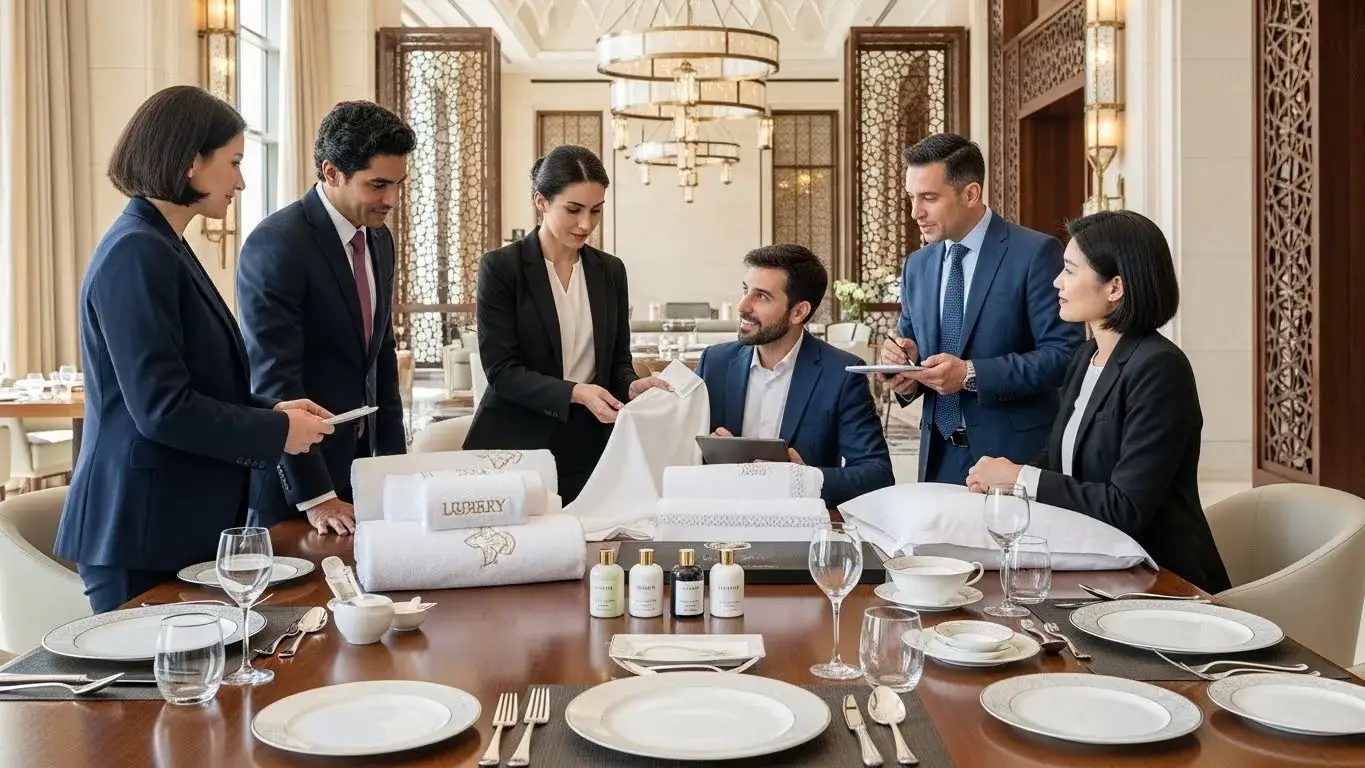
I’ve developed a systematic approach to supplier evaluation after learning expensive lessons. The key is looking beyond initial presentations to understand real capabilities.
Effective supplier evaluation requires checking references, conducting site visits, testing product samples, reviewing financial stability, and establishing clear performance metrics. The best partnerships involve ongoing collaboration rather than transactional relationships.
The Evaluation Framework I Use
My supplier evaluation process5 has five stages:
- Initial Screening: Basic qualifications and alignment
- Reference Checking: Speaking with current customers
- Site Visits: Understanding production capabilities
- Pilot Testing: Small-scale product trials
- Partnership Development: Long-term relationship building
Reference Checking: The Most Important Step
I always speak with at least three current customers. I ask specific questions:
- How do they handle rush orders?
- What happens when products don’t meet specifications?
- How responsive is their customer service?
- Would you recommend them to a competitor?
The last question reveals the most. Customers who enthusiastically recommend suppliers to competitors have found exceptional partners.
Financial Stability Assessment
I’ve seen suppliers disappear overnight, leaving hotels scrambling. Financial stability assessment includes:
- Credit rating checks
- Payment terms analysis
- Insurance coverage verification
- Business continuity planning review
Performance Metrics That Matter
I establish clear metrics before partnering with suppliers:
| Metric Category | Specific Measurements | Target Performance |
|---|---|---|
| Quality | Defect rate, durability testing | <2% defect rate |
| Delivery | On-time delivery, order accuracy | >98% on-time |
| Service | Response time, problem resolution | <24 hour response |
| Innovation | New product introductions, improvements | Quarterly updates |
Building True Partnerships
The best supplier relationships feel like partnerships. These suppliers:
- Share market intelligence and trends
- Offer exclusive products or pricing
- Collaborate on problem-solving
- Invest in understanding your business
They see your success as their success.
What Challenges Do Regional Hospitality Businesses Face with Suppliers?
The Middle East hospitality market’s rapid growth creates unique supplier challenges. I’ve helped hotels navigate these issues while maintaining service standards.
Regional hospitality businesses face challenges including price volatility, supply chain disruptions, quality inconsistency, and limited supplier diversity. Solutions require strategic planning, relationship diversification, and proactive risk management.

Price Volatility: The Constant Pressure
I’ve seen supplier prices increase 250% due to market monopolies. This happens when hotels become too dependent on single suppliers.
The solution involves:
- Diversifying supplier base
- Negotiating long-term contracts with price protection
- Understanding market factors that drive pricing
- Building relationships with alternative suppliers
Supply Chain Disruptions: Planning for the Unexpected
Recent global events taught us that supply chains are fragile. I’ve helped hotels develop contingency plans that include:
- Multiple supplier relationships for critical items
- Emergency inventory levels
- Local sourcing alternatives
- Rapid supplier qualification processes
Quality Inconsistency: When Standards Slip
Growing suppliers sometimes struggle to maintain quality as they scale. I monitor this through:
- Regular quality audits
- Customer feedback tracking
- Performance trend analysis
- Supplier capability assessments
Limited Supplier Options: A Regional Reality
Some product categories have limited supplier options in the region. This creates dependency risks. I address this by:
- Developing relationships with global suppliers
- Encouraging local supplier development
- Creating supplier consortiums for smaller hotels
- Sharing supplier intelligence across properties
How Are Market Trends Shaping Future Supplier Relationships?
The hospitality supplier landscape is evolving rapidly. I track these trends to help hotels stay ahead of changes that affect their operations.
Market trends6 driving supplier relationship changes include digital transformation, sustainability requirements, consolidation pressures, and guest experience personalization. Successful hotels adapt their supplier strategies to leverage these trends.

Digital Transformation: Beyond Basic Technology
Suppliers are investing heavily in digital capabilities. The best ones offer:
- Real-time inventory visibility
- Predictive ordering systems
- Digital product catalogs with customization options
- Automated billing and payment systems
These capabilities reduce administrative overhead while improving service quality.
Consolidation vs. Specialization
I see two opposing trends. Some suppliers are consolidating to offer one-stop shopping. Others are specializing in niche areas to provide expert solutions.
Hotels benefit from both approaches:
- Consolidated suppliers: Reduced vendor management overhead, integrated solutions
- Specialized suppliers: Expert knowledge, innovative products, competitive pricing
Guest Experience Personalization
Guests expect personalized experiences. This creates opportunities for suppliers who can provide:
- Customizable amenity programs
- Cultural preference accommodations
- Seasonal product variations
- Brand-specific product development
Sustainability as Standard Practice
Sustainability is becoming a minimum requirement rather than a differentiator. Suppliers who don’t adapt risk losing business.
Future supplier relationships will assume:
- Carbon footprint tracking and reduction
- Circular economy principles
- Social responsibility programs
- Transparent sustainability reporting
Technology Integration: The Expectation
Hotels expect suppliers to integrate with their technology systems. This includes:
- ERP system connectivity
- Procurement platform integration
- Inventory management synchronization
- Performance dashboard access
Conclusion
Good Middle Eastern hospitality suppliers combine quality, reliability, cultural understanding, and innovation while adapting to rapid market changes and sustainability requirements.
-
Fortune Business Insights provides comprehensive MENA hospitality market analysis showing 6.67% CAGR growth through 2032, helping you understand market dynamics for supplier selection. ↩
-
EHL Hospitality Insights offers detailed industry statistics and growth projections for 2025, including guest satisfaction trends that influence supplier partnerships. ↩
-
Dubai Department of Economy and Tourism’s official sustainability initiative provides guidelines and support for hotels implementing eco-friendly practices with suppliers. ↩
-
Travel and Tour World reports on UAE’s green tourism revolution, showing how sustainability initiatives have improved the country’s global ranking to 18th position. ↩
-
Zycus provides a comprehensive supplier performance evaluation checklist with best practices for systematic supplier assessment and selection. ↩
-
Fast Company Middle East features insights from Hyatt’s Managing Director on future hospitality trends shaping the Middle East market through 2025. ↩